Technology 1 min read
Where coordination pays: what weekly clash detection saves on site
A duct that meets a beam costs minutes to fix in a model and weeks to fix on site. Here is how we find them first.
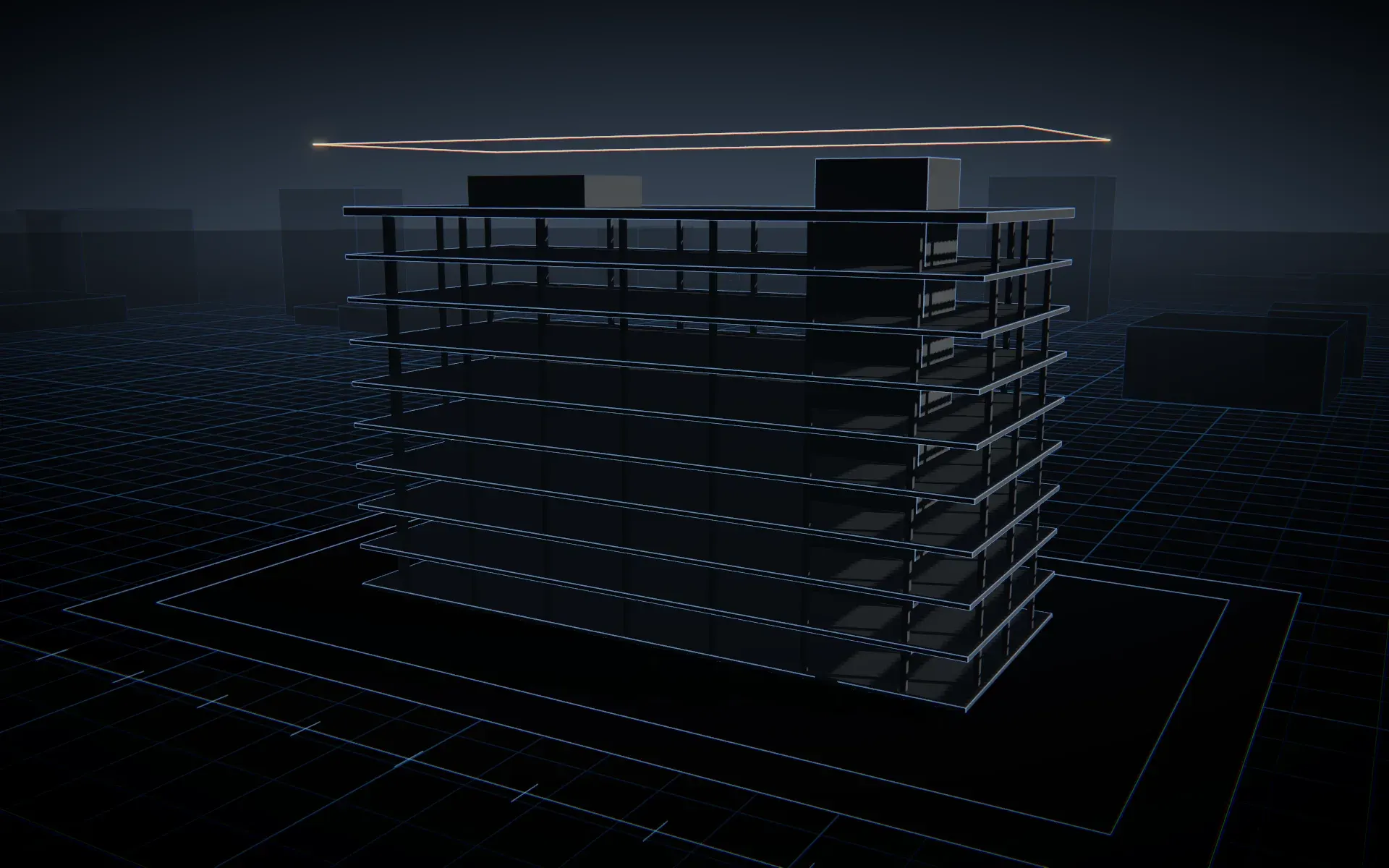
Every building has thousands of places where structure, ducts, pipes, cable trays and ceilings compete for the same few centimetres. On a traditional project these conflicts are discovered by the contractor, one by one, often after something has already been installed.
One federated model
At Rawsam each discipline models in its own file, but all of them are combined into a single federated model every week. Automated clash detection then checks every element against every other, using tolerances we agree at the start of the project.
Triage, not just reports
A raw clash report can list thousands of items, most of them trivial. Our BIM team groups them by system and location, filters out the noise and brings the handful of real problems to a weekly coordination meeting where the responsible engineers decide on a fix together.
Measurable results
On a recent nine-storey office project we resolved more than 1,400 clashes before issuing drawings. The contractor reported fewer than twenty coordination queries during construction — and no ceiling had to be lowered.
Clash detection is not glamorous. But it is one of the most reliable ways we know to protect a programme and a budget.